Inflation risk is no longer something procurement teams can exclusively plan for in an annual budgeting exercise. In today’s volatile market, cost pressures emerge unevenly, move quickly, and compound across commodities, labor, logistics, and energy. This directly impacts category strategies, supplier negotiations, and margin protection across global supply chains.
The good news is that inflation does not have to be a passive threat. Procurement teams that take a structured, intelligence-led approach can reduce exposure, protect margins, and even turn volatility into leverage. The key lies not in reacting faster, but in anticipating earlier and acting smarter.
Why inflation risk feels harder to control in procurement today
Inflation risk has become more complex because it rarely has a single cause. Geopolitical tensions disrupt supply routes. Commodity markets swing on weather events or policy shifts. Labor costs rise unevenly across the world. And contracts often lag behind market reality, masking true exposure.
This creates a dangerous gap between what costs should be and what procurement teams are actually paying. Closing that gap requires moving beyond traditional cost control tactics. Specific tactics to address these factors could include:
- Shifting from price focus to cost-driver visibility
One of the most effective ways to reduce inflation risk is to understand why prices are moving, not just how much they have changed.
High-performing procurement teams break costs down into their underlying drivers, for example:
- Raw materials and feedstocks
- Labor and energy inputs
- Logistics and transportation
- Regulatory or tariff components
This cost-driver view allows teams to challenge supplier increases with evidence, isolate which inputs are genuinely under pressure, and avoid absorbing blanket price hikes that aren’t justified.
- Acting on leading indicators, not lagging data
Inflation risk builds long before it shows up in invoices. Indicators such as Producer Price Index (PPI), commodity benchmarks, wage growth, and supply chain disruption indices often move weeks or months in advance.
Procurement teams that monitor these signals continuously can:
- Renegotiate before increases are formalized
- Adjust sourcing timing or volumes
- Lock in prices while leverage still exists
Waiting for CPI or quarterly reviews almost guarantees a reactive response.
- Diversifying exposure deliberately, not reactively
Supplier and geographic concentration amplify inflation risk. When a category relies heavily on a single region, feedstock, or logistics route, even small disruptions can trigger outsized cost increases.
Reducing inflation risk doesn’t mean constant supplier churn. It means:
- Building optionality into sourcing strategies
- Maintaining qualified alternatives for critical inputs
- Evaluating nearshoring, dual sourcing, or regional diversification where cost volatility is highest
This optionality becomes invaluable when inflation accelerates unexpectedly.
- Using scenario modelling to quantify and mitigate inflation risk
Inflation risk is rarely linear. A 5% rise in a single commodity can translate into a much larger impact once it flows through multiple categories or products.
Scenario modelling helps procurement teams:
- Quantify exposure before it hits budgets
- Identify categories where inflation compounds fastest
- Compare mitigation levers such as renegotiation, substitution, or delaying buys
Instead of debating assumptions, teams can align around data-driven outcomes.
- Strengthening supplier collaboration with facts
In volatile markets, the strongest supplier relationships are built on transparency, not concessions. When procurement teams understand market inflation dynamics, they can engage suppliers as partners rather than adversaries.
This approach often results in more constructive negotiations, joint efficiency or cost-reduction initiatives, flexible contract mechanisms that share risk rather than transfer it blindly. Suppliers are more likely to collaborate when discussions are grounded in credible data rather than reactive pressure.
- Embedding inflation management into daily workflows
Perhaps the biggest shift is organizational. Inflation risk can’t be managed effectively through spreadsheets or periodic reviews. It needs to be visible, shared, and continuously updated.
This is why many procurement organizations are adopting digital inflation monitoring platforms that bring together cost drivers, forecasts, indices, and scenario analysis in one place. Tools like Inflation Watch help teams move from fragmented data to a single, consistent view of inflation exposure across categories, suppliers, and regions — enabling faster decisions and stronger negotiations without turning procurement into a data science function.
From risk reduction to strategic advantage
Inflation volatility is a defining factor for procurement. The challenge for organizations is to ensure that they don’t absorb unnecessary cost, but rather control spend, and this is a direct result of how early they see risk and how confidently they act to mitigate it.
Reducing inflation risk isn’t about predicting the future perfectly. It’s about building the capability to respond before volatility becomes disruption and using insight to stay one step ahead of the market.
Interested in seeing how you can reduce inflation risk using real-time cost intelligence and scenario modelling? Book an Inflation Watch demo to understand how continuous inflation monitoring can support better planning, stronger negotiations, and greater resilience.
FAQ
Q1. What is inflation risk in procurement?
Inflation risk refers to the potential for rising input costs to erode margins, weaken negotiation positions, or disrupt budgets due to changes in commodities, labor, logistics, or market conditions.
Q2. How can procurement reduce inflation risk without sacrificing supplier relationships?
By using transparent market data, focusing on cost drivers, and engaging suppliers early, procurement teams can negotiate collaboratively rather than reactively.
Q3. Are digital inflation monitoring tools necessary?
In very stable markets, manual tracking may suffice. In volatile environments, digital tools help procurement teams consolidate data, track leading indicators, and act faster in order to reduce both risk and workload.
Author

Hemant Bansal

Related Reading

16 Mar, 2026
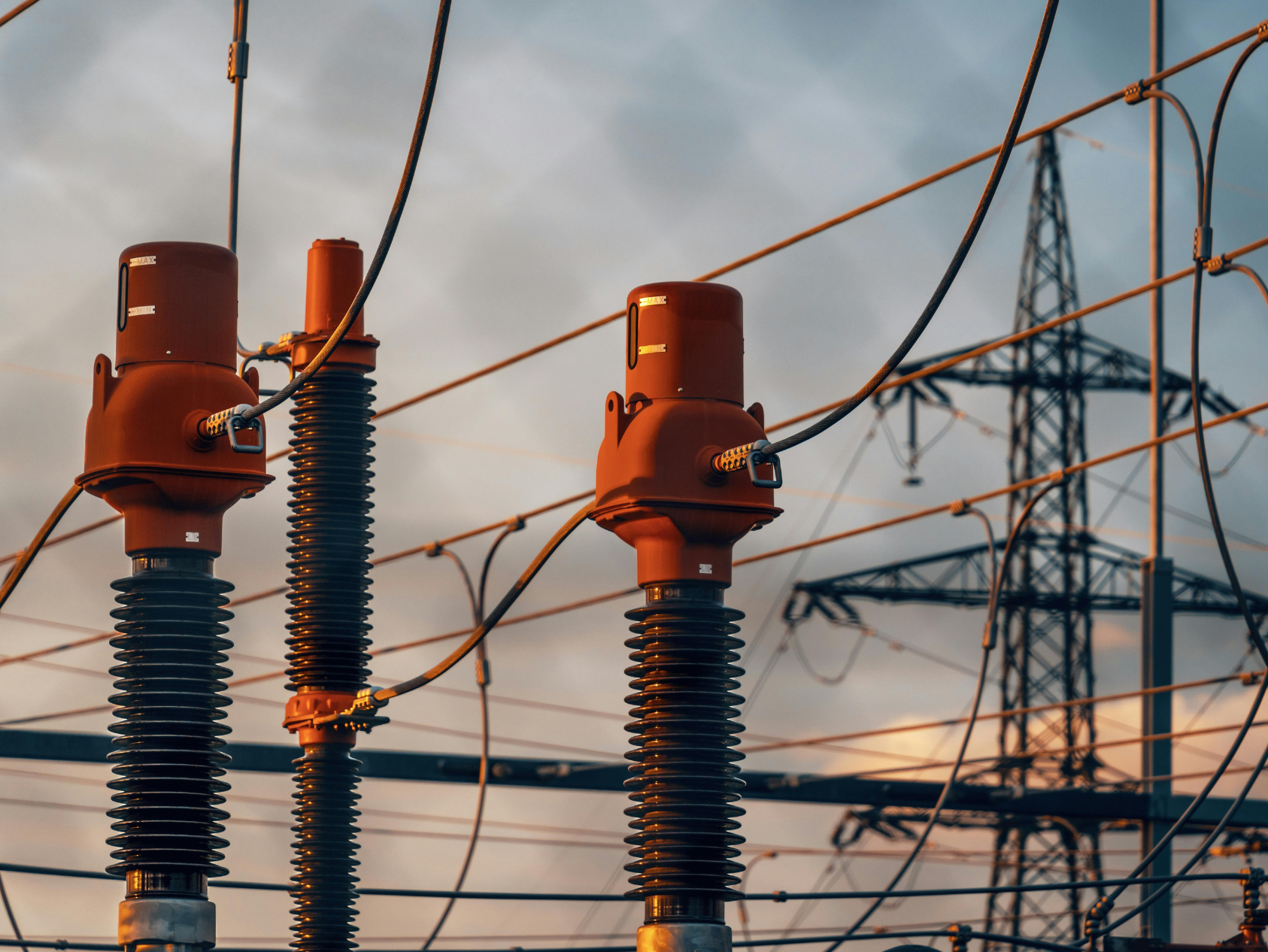
The New Tariff Reality: How Global Trade Shifts Are Rewriting Electrical Equipment Sourcing